November 21, 2026
The modern home combines aesthetic appeal, functional design, and sustainable maintenance. Floors serve as the foundation of any household and deserve consistent care. Smart maintenance practices are essential for prolonging flooring lifespan, ensuring surfaces remain attractive and durable for years. With innovative technologies and advancements in floor care, maintaining floors has transitioned from traditional cleaning methods to strategic approaches. Many flooring companies emphasize preventive maintenance because it reduces long-term expenses, improves durability, and protects homeowners' investments. Sustainable maintenance extends beyond basic cleaning. It involves understanding material properties, environmental influences, and preventive practices that minimize damage. Investing in smart floor maintenance contributes to reducing waste and promoting environmental responsibility. By combining technology, professional guidance, and consistent cleaning routines, homeowners can protect their floors while achieving significant savings.
Understanding Different Flooring Materials
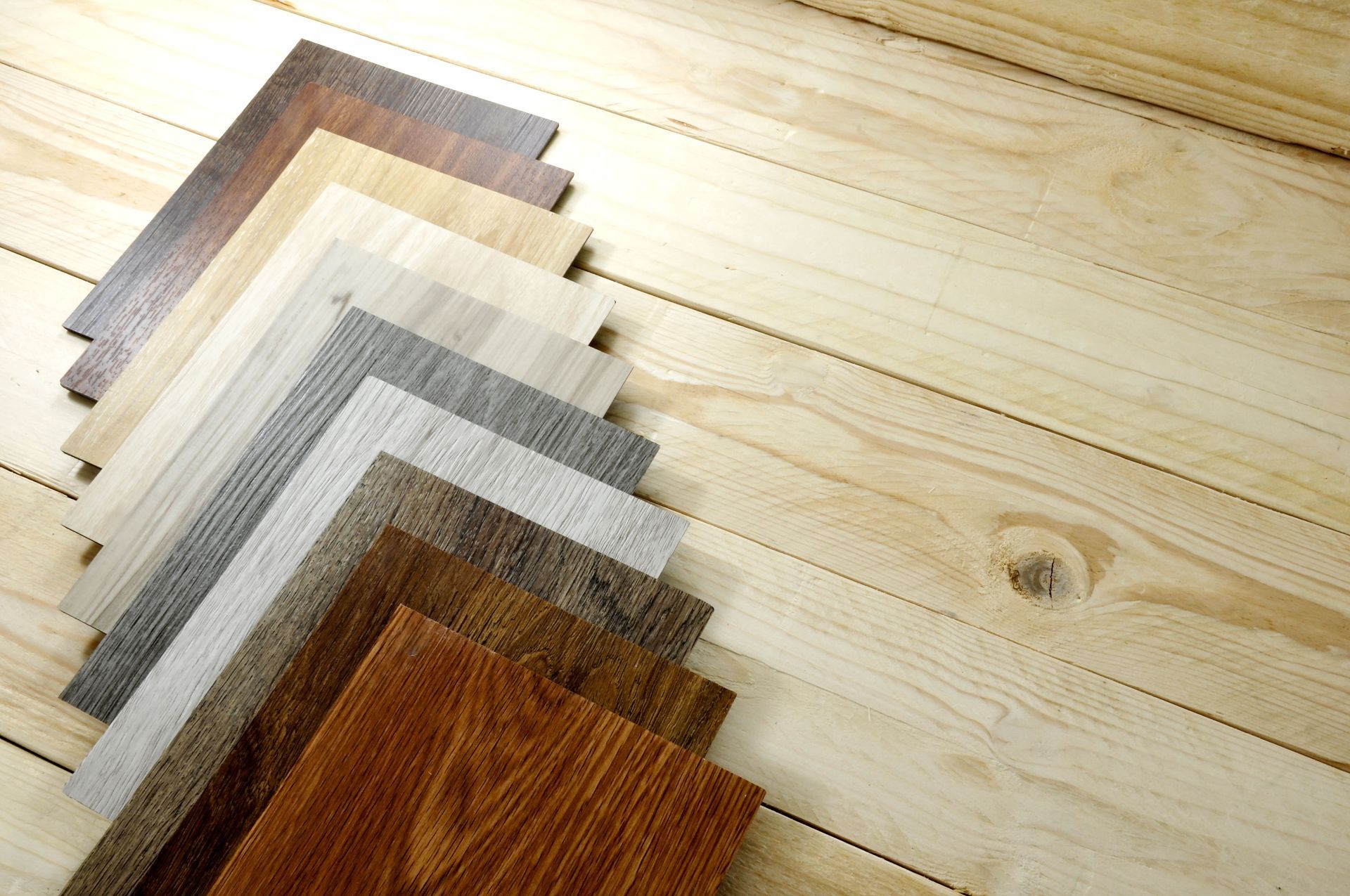
Flooring materials influence the functionality, appearance, and maintenance requirements of a space. Hardwood, laminate, carpet, vinyl, and tile each offer distinct advantages and challenges. Hardwood provides timeless appeal and durability but requires protection against scratches and excessive moisture. Carpets offer warmth and comfort but demand regular cleaning to prevent dirt accumulation and premature deterioration.
Tile is recognized for its durability and relatively straightforward maintenance, although grout requires additional attention. Laminate provides an affordable alternative to hardwood but can experience moisture damage when improperly maintained. Professional flooring companies can help homeowners understand these differences and select appropriate maintenance methods for each surface.
According to HomeAdvisor, most carpet lasts five to 20 years with proper care and maintenance. This range demonstrates how maintenance practices influence material longevity. Understanding specific flooring requirements allows homeowners to make informed decisions that preserve appearance and functionality.
Choosing Flooring Based on Lifestyle and Durability
Selecting appropriate flooring involves evaluating more than aesthetics and installation expenses. Homeowners should consider household traffic, pets, children, moisture exposure, and everyday activities. High-traffic spaces benefit from durable materials that withstand continuous movement, while bedrooms may prioritize comfort and appearance.
Environmental conditions also influence material performance. Humidity fluctuations can cause certain wood products to expand or contract, while excessive moisture may damage laminate surfaces. Consulting experienced flooring companies helps homeowners identify materials that accommodate their lifestyles and maintenance expectations.
Choosing quality materials reduces the likelihood of premature deterioration. Homeowners should also review manufacturer recommendations to understand cleaning requirements, warranty limitations, and protective measures before installation.
Implementing Preventive Maintenance Practices
Regular cleaning is the foundation of effective flooring maintenance. Accumulated dirt and debris can gradually damage protective finishes, creating scratches and accelerating wear. Sweeping, vacuuming, and appropriate mopping help preserve surfaces while preventing unnecessary deterioration.
Cleaning methods should match the flooring material. Hardwood benefits from gentle sweeping and occasional manufacturer-approved damp cleaning. Ceramic tile requires suitable cleaning solutions, while carpets should be vacuumed frequently and professionally cleaned when necessary.
Preventive maintenance also includes placing entrance mats near exterior doors, attaching protective pads beneath furniture, and promptly addressing spills. These straightforward precautions reduce surface damage and help maintain flooring appearance.
Establishing a consistent cleaning schedule allows homeowners to identify minor problems before they require extensive repairs. Proper maintenance protects both flooring materials and the financial investment associated with installation.
Protecting Floors Against Environmental Damage
Environmental conditions significantly affect flooring performance. Excessive humidity, direct sunlight, temperature fluctuations, and moisture exposure can gradually compromise certain materials. Hardwood may experience expansion or contraction, while prolonged sunlight can contribute to fading and discoloration.
Maintaining appropriate indoor humidity levels helps protect moisture-sensitive surfaces. Window coverings can reduce prolonged sunlight exposure, while immediate spill cleanup prevents moisture from penetrating vulnerable seams and joints.
Homeowners should inspect areas near kitchens, bathrooms, and exterior entrances for early signs of water damage. Flooring companies may recommend specialized protective products or maintenance procedures based on material composition and environmental exposure.
Addressing environmental risks early helps preserve structural integrity and minimizes the possibility of expensive repairs.
Using Advanced Technologies in Floor Care
Modern technology offers innovative approaches to flooring maintenance. Smart sensors can monitor humidity, temperature, and moisture conditions, providing information that helps homeowners identify potential environmental concerns. These technologies are particularly beneficial in spaces where excessive moisture threatens flooring durability.
Automated cleaning devices also simplify routine maintenance. Robotic vacuums can remove everyday dust and debris, reducing abrasive particles that contribute to surface deterioration. However, homeowners should confirm that automated equipment is appropriate for their flooring materials.
Smart home systems can integrate environmental monitoring with automated alerts, encouraging timely responses to changing conditions. For example, humidity monitoring can help homeowners determine when adjustments to indoor climate controls are necessary.
Although technology improves convenience, traditional maintenance practices remain essential. Combining smart devices with appropriate cleaning methods provides a balanced approach to preserving flooring performance.
Evaluating Maintenance Costs and Long-Term Savings
Comprehensive flooring maintenance sometimes involves initial expenses for cleaning equipment, protective treatments, and professional services. However, these investments may reduce long-term costs by preventing premature deterioration and unnecessary replacement.
Minor damage can become increasingly expensive when ignored. Scratches, loose flooring components, and moisture problems may require extensive repairs if homeowners delay corrective action. Addressing these concerns promptly protects surrounding materials and reduces potential restoration expenses.
Experienced flooring companies can provide maintenance recommendations and identify situations requiring professional attention. Their expertise helps homeowners avoid inappropriate cleaning products or techniques that could damage flooring finishes.
Evaluating maintenance expenses alongside expected material lifespan provides a clearer understanding of long-term value. Consistent preventive care often represents a more economical approach than waiting until substantial damage occurs.
Understanding the Environmental Benefits of Smart Maintenance
Extending flooring lifespan contributes to environmental sustainability by reducing the frequency of material replacement. When floors remain functional longer, fewer discarded materials enter landfills, and fewer resources are required for manufacturing and transporting replacement products.
Environmentally responsible maintenance also involves selecting appropriate cleaning products. Using manufacturer-approved, lower-impact solutions when available can help reduce unnecessary chemical exposure while preserving flooring surfaces.
Water conservation represents another important consideration. Excessive water use can damage moisture-sensitive materials and waste valuable resources. Proper cleaning techniques help homeowners maintain surfaces without unnecessary consumption.
Energy-efficient cleaning equipment can further support sustainable household practices. By prioritizing durability, resource conservation, and responsible maintenance, homeowners can reduce environmental impacts while protecting their investments.
Recognizing When Professional Flooring Maintenance Is Necessary
Although routine cleaning is manageable for many homeowners, certain flooring concerns require specialized attention. Deep carpet contamination, damaged finishes, persistent moisture problems, and deteriorating grout may benefit from professional evaluation.
Professional technicians possess specialized equipment and knowledge for addressing material-specific concerns. Depending on the flooring type, services may include refinishing, deep cleaning, surface restoration, or targeted repairs.
Reputable flooring companies can also help homeowners distinguish between cosmetic wear and damage that threatens long-term performance. Identifying problems accurately prevents unnecessary replacements and supports more effective maintenance decisions.
Scheduling professional evaluations when visible damage develops can help preserve flooring quality. Homeowners should also retain installation documentation and warranty information to ensure maintenance procedures remain consistent with manufacturer requirements.
Exploring the Future of Smart Flooring Maintenance
Floor maintenance continues to evolve through technological innovation and changing consumer expectations. Automated cleaning systems, connected monitoring devices, and environmentally responsible products are creating opportunities for more efficient household care.
Emerging technologies may improve maintenance planning by identifying environmental patterns and helping homeowners anticipate potential problems. Advanced robotic equipment could also provide more precise cleaning across different flooring surfaces.
Sustainability will likely remain an important consideration as manufacturers develop durable materials and cleaning solutions designed to minimize environmental impact. Flooring companies that incorporate innovative maintenance recommendations can help customers adapt to these developments.
Professional guidance and environmentally responsible practices further strengthen these efforts. By prioritizing consistent maintenance instead of reactive repairs, homeowners can protect their investments, minimize replacement expenses, and maintain attractive living spaces. Working with knowledgeable
flooring companies when specialized assistance is necessary provides additional support for achieving lasting flooring durability and long-term value. Contact our team at Flooring Master of Apopka today and learn more about our flooring services.