November 21, 2026
Investing in new flooring is one of the most impactful upgrades you can make to a home or commercial space. Whether you prefer the timeless warmth of solid wood, the sleek resilience of porcelain tile, or the versatile appeal of modern synthetics, your floors endure constant foot traffic, shifting furniture, and daily spills. With the right approach to material selection, professional installation, and ongoing maintenance, your surfaces can maintain their structural integrity and visual appeal for twenty, thirty, or even fifty years. Understanding how different materials age and what habits protect them from premature wear is the foundation of long-term floor care.
Choosing Durable Materials From the Start
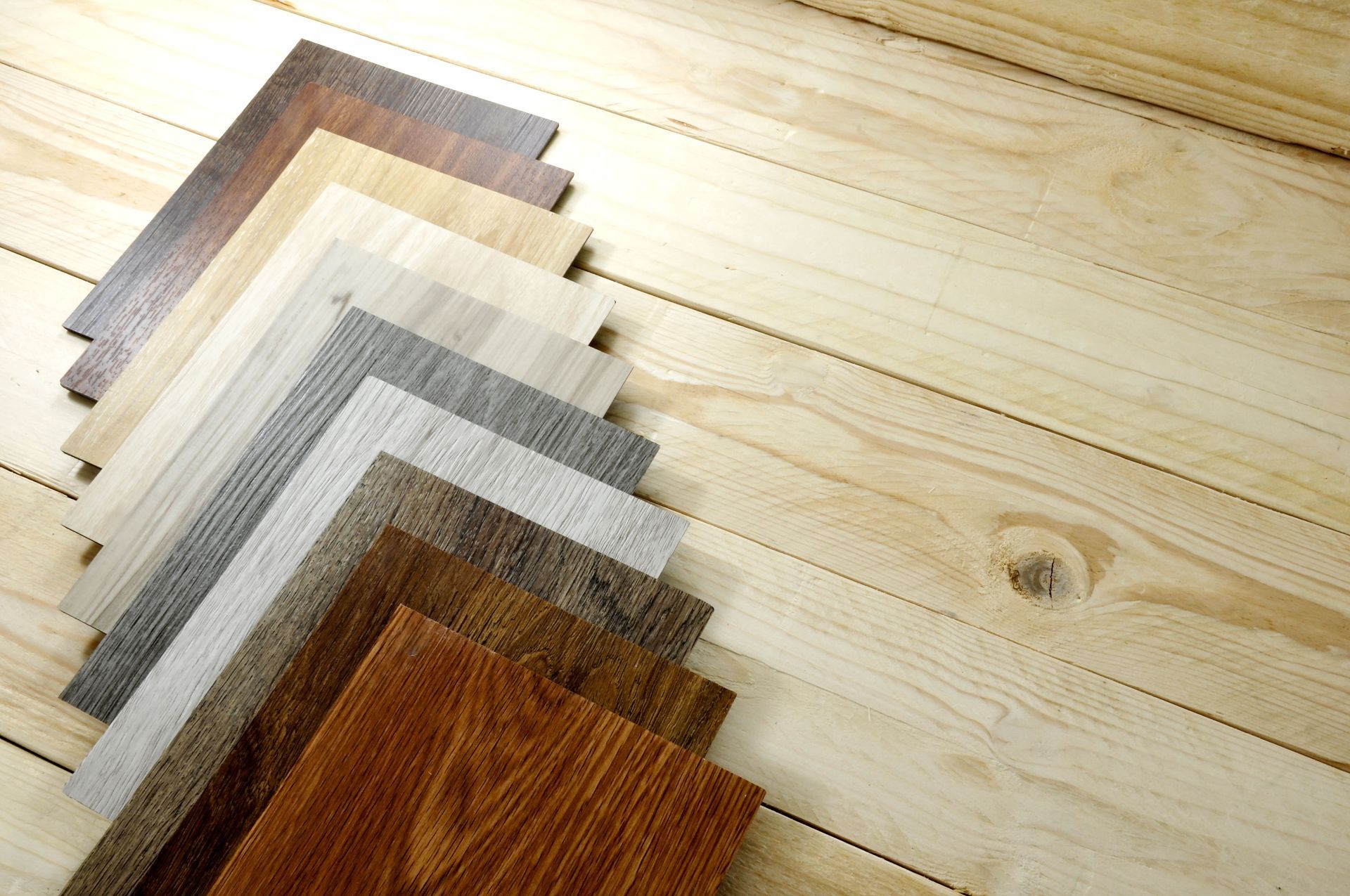
Long-lasting floors begin well before installation day. Selecting a material that aligns with the specific demands of each room prevents premature failure and unnecessary replacements. Many homeowners start their research by visiting local vinyl flooring stores to compare wear layers, core constructions, and water-resistant properties alongside traditional hardwoods and tiles. Matching the right product to the right environment sets the stage for decades of dependable performance.
Evaluating Wear Layers and Core Construction
Every flooring type relies on a protective top surface to resist scratches, dents, and fading. In hardwood, the thickness of the solid wood or veneer determines how many times the surface can be sanded and refinished over its lifespan. For synthetic options, specialists at reputable vinyl flooring stores often point out that a thicker commercial-grade wear layer provides superior defense against pet claws and heavy foot traffic. High-density cores also prevent indentation from heavy appliances and furniture legs, keeping the surface flat and stable over time.
Matching Flooring Types to Room Conditions
Moisture levels, temperature fluctuations, and foot traffic vary dramatically from room to room. Installing solid hardwood in a high-moisture basement or full bathroom invites warping and cupping, whereas porcelain tile or waterproof synthetic planks thrive in damp environments. When browsing vinyl flooring stores, look for products engineered specifically for high-traffic hallways, kitchens, and entryways. Placing durable, moisture-tolerant materials in demanding zones ensures that everyday exposure does not compromise the structural bond beneath your feet.
Ensuring Proper Subfloor Preparation and Installation
Even the highest-grade materials will fail early if installed over an uneven, damp, or poorly prepared subfloor. A solid foundation distributes weight evenly, prevents clicking or squeaking noises, and keeps locking mechanisms or adhesives secure. Working with experienced professionals ensures that hidden structural issues are resolved before a single plank or tile is laid.
Leveling and Moisture Testing the Subfloor
Subfloors made of concrete or plywood must be clean, dry, and flat within strict manufacturer tolerances before installation begins. High spots can cause planks to flex and snap at the joints, while low spots create hollow voids that stress the material under foot pressure. Professional installers conduct thorough moisture testing on concrete slabs and apply appropriate vapor barriers when needed. Eliminating trapped moisture beneath the surface stops mold growth, adhesive breakdown, and plank swelling from the inside out.
Acclimating Materials Prior to Installation
Natural and composite flooring materials expand and contract in response to changes in indoor temperature and humidity. Allowing unopened boxes of flooring to rest inside the climate-controlled space for several days before installation lets the material adjust to the building's ambient conditions. Skipping acclimation often leads to unsightly gaps during dry winter months or buckling edges during humid summers. Proper acclimation combined with appropriate expansion gaps around the perimeter allows the floor to breathe naturally throughout the seasons.
Establishing Daily and Weekly Cleaning Routines
Consistent, gentle cleaning is the single most effective habit for preserving a floor's protective finish. Dirt, sand, and microscopic grit act like sandpaper underfoot, gradually dulling protective coatings and etching delicate surfaces. A proactive cleaning schedule removes abrasive debris before it causes permanent surface damage.
Removing Grit With Dry Dusting Methods
Sweeping with a soft-bristle broom, using a microfiber dust mop, or vacuuming with a hard-floor attachment should be part of your regular weekly routine. Avoid vacuums with rotating beater bars on hard surfaces, as the stiff bristles can leave fine scratches across wood, laminate, and resilient finishes. High-traffic zones such as entryways, hallways, and kitchens benefit from daily dry dusting to capture tracked-in soil. Keeping abrasive particles off the surface preserves the factory sheen and prevents premature dulling.
Selecting Safe Cleaning Solutions for Specific Surfaces
Using the wrong chemical cleaner can strip protective sealants, leave hazy residues, or degrade the top wear layer of your floors. Harsh detergents, bleach, ammonia, and abrasive scouring pads should never be used on finished surfaces. Instead, rely on pH-neutral cleaners formulated specifically for your floor type, applying them with a lightly dampened microfiber mop rather than a soaking-wet string mop. Guidance from knowledgeable staff at vinyl flooring stores can help you identify approved, non-abrasive cleaning agents that sanitize without leaving dulling films.
Protecting Surfaces From Moisture and Impact Damage
Beyond routine cleaning, physical barriers and environmental controls shield your floors from sudden accidents and gradual environmental stress. According to Home Advisor, proper maintenance and shielding the surface from water exposure allow vinyl flooring to achieve a service life ranging from one to two and a half decades. Applying similar preventative safeguards across every room extends the longevity of all hard-surface flooring.
Managing Spills and Indoor Humidity Levels
Standing water is a primary enemy of nearly every flooring system, capable of seeping into seams, swelling cores, and weakening adhesives. Wipe up spills immediately with a dry, absorbent cloth, and place absorbent mats near sinks, dishwashers, and exterior doors. Maintaining consistent indoor relative humidity between thirty-five and fifty-five percent also protects wood and composite materials from excessive shrinking or swelling. Using dehumidifiers in damp climates and humidifiers during dry spells keeps your indoor environment stable year-round.
Using Mats and Furniture Pads Strategically
Physical impact from dropped objects, sliding chairs, and concentrated furniture weight causes dents and deep gouges that are difficult to repair. Attach high-density felt pads to the bottom of all chair legs, table bases, and heavy furniture, and inspect them periodically to replace worn or dirty pads. Place non-staining walk-off mats at every exterior entrance to trap moisture and outdoor grit before they reach your interior floors. When moving heavy appliances or furniture, always lift the items or use protective glides rather than dragging them across the surface.
Scheduling Periodic Maintenance and Professional Care
Over the course of decades, even well-maintained floors show signs of gradual wear in heavily traveled pathways. Addressing minor surface wear early prevents moisture and dirt from penetrating down to the raw material beneath. Periodic professional maintenance refreshes the protective barrier and restores the floor's original luster.
Refreshing Protective Finishes and Sealants
Hardwood floors benefit from periodic buffing and coating before the polyurethane finish wears completely down to the bare wood, avoiding the need for a full sanding. Natural stone and tile grout lines require periodic resealing to block stains and moisture intrusion. If you are unsure how to refresh resilient surfaces, specialists at local vinyl flooring stores can recommend manufacturer-approved polishes and maintenance coats that restore surface sheen. Staying ahead of finish wear keeps the underlying material protected for decades.
Addressing Minor Repairs Before Damage Spreads
Small issues such as a loose tile, a lifted plank edge, or a deep scratch should be repaired promptly before adjacent areas are affected. Moisture can easily infiltrate a cracked grout line or separated seam, turning a minor localized fix into a widespread subfloor issue. Keeping a few spare planks or tiles from your original installation stored in a dry space makes seamless spot repairs straightforward years later. Proactive attention to minor flaws preserves the structural unity of the entire floor.
Enjoying Beautiful Floors for Generations
Making your floors last for decades comes down to thoughtful preparation, consistent care, and timely protection. By choosing durable materials suited to each room, ensuring proper subfloor preparation, and committing to gentle cleaning and moisture control, you safeguard both the beauty and structural integrity of your property. Whether you are exploring samples at local
vinyl flooring stores or caring for newly installed hardwood, tile, or laminate, small daily habits deliver lasting rewards. If you are ready to explore durable flooring options or need expert guidance on your next project, reach out to the experienced team at Flooring Master of Apopka today to schedule your personalized consultation.